
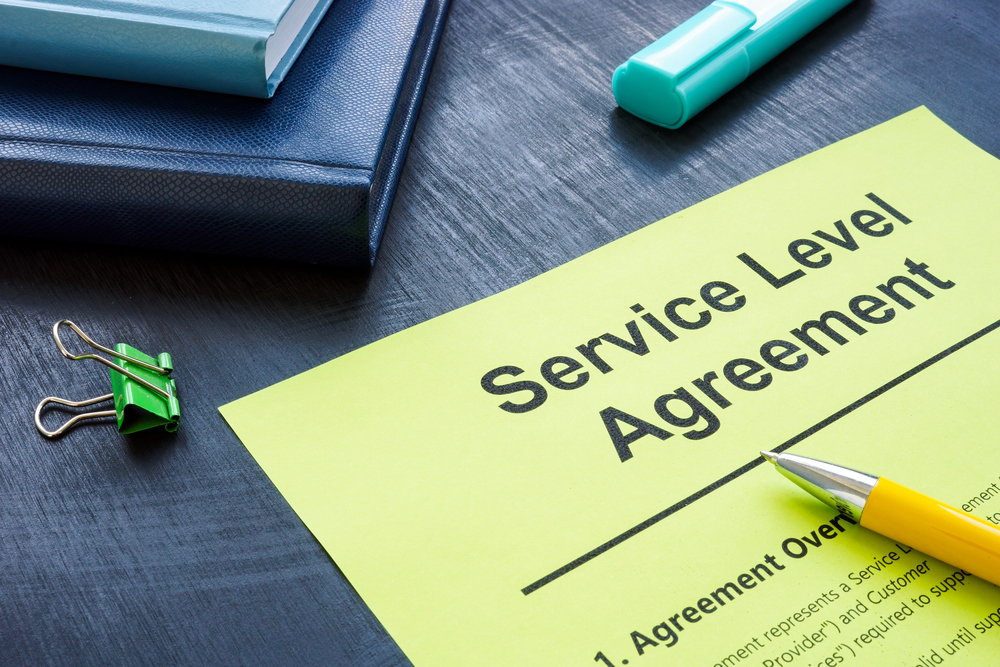
Security Service Level Agreement (SLA): Response Times And Reporting Requirements
Hiring a private security provider requires trust, clear expectations, and confidence that help will arrive when it matters most. A security service level agreement sets the standards for response times, communication, and accountability between you and your security partner.
Response speed and reporting quality shape how safe you feel and how informed you remain during real incidents. Understanding these terms helps you select a provider that aligns with your risks, environment, and expectations. This guide explains how SLAs function within professional security operations.
What Is A Security Service Level Agreement (SLA)?
A security SLA is a written contract that defines the scope of protection services, performance standards, responsibilities, and communication rules between a client and a private security provider. It sets clear expectations for incident handling, response speed, report delivery, and how service quality is measured over time.
The agreement also outlines operating hours, coverage areas, staffing levels, escalation procedures, and documentation tools used to record activity and outcomes. For clients, it creates a shared understanding of what service looks like during routine patrols, emergencies, and unexpected events.
For providers, it serves as an operational roadmap that guides staffing decisions, training focus, dispatch processes, and internal accountability. A well-defined security service level agreement reduces confusion and limits disputes during critical incidents.
Why SLAs Matter In Private Security Services
An SLA converts verbal commitments into measurable obligations that define performance during both routine and high risk conditions. It removes uncertainty by detailing response targets, staffing expectations, communication methods, and decision authority during fast moving incidents.
Clients gain confidence because expectations are documented and performance can be reviewed. Providers benefit from clearer planning, staffing alignment, and training priorities. In active security operations, this structure leads to more consistent performance, stronger coordination, and fewer disagreements when pressure increases and quick judgment is required.
Understanding Response Times In A Security SLA
Speed matters when a security incident unfolds, because every minute can affect safety, property, and outcomes for everyone involved across residential, commercial, and executive protection environments. In an SLA, response time defines how quickly a provider acknowledges an alert, dispatches personnel, and arrives on site after an incident is reported or detected using agreed communication channels.
Most agreements separate acknowledgment time from arrival time, so clients know when communication begins and when physical support should be present during both routine patrols and high threat events. Some contracts also include dispatch time. This measures how long it takes to mobilize the nearest available team after the initial call or alarm under active duty schedules at scale.
Clear response definitions help align staffing, vehicle placement, and monitoring coverage with real risk levels rather than vague promises that fail during urgent situations where seconds shape decisions and outcomes.
Incident Priority Levels And Escalation Procedures
Security incidents vary in severity, which is why SLAs assign priority levels that guide how fast teams respond and what resources are deployed. A critical event may involve an active threat, forced entry, or personal danger that requires immediate dispatch and senior oversight. High priority issues often include suspicious activity, perimeter breaches, or alarms with supporting evidence that point to elevated risk.
Medium and low priority matters usually cover non urgent disturbances, access control issues, or routine service requests that still require documentation and follow up. Escalation procedures define when supervisors, managers, or external partners are notified as conditions change during an incident.
These rules prevent delays, support clear authority, and help teams adjust tactics when a situation grows beyond its original scope under pressure while protecting people, property, and operational continuity for every client.
Reporting Requirements And Accountability Standards
Clear documentation keeps security operations transparent and reviewable, especially after incidents that require evaluation by clients, insurers, or legal teams. An SLA specifies which reports are required, delivery timelines, and necessary details such as incident summaries, response times, personnel actions, and outcomes.
Routine reports may also include patrol logs, access control records, and observation notes that demonstrate consistency across shifts and locations. Performance summaries allow clients to track compliance, identify patterns, and refine risk planning over time. This accountability ties documented data to service commitments, strengthening trust and informed decision making.
What Clients Should Look For In A Strong Security SLA
Selecting a provider starts with reviewing how clearly the SLA defines response targets, reporting duties, and escalation paths across different incident types. Response commitments should reflect real conditions such as geography, staffing availability, traffic patterns, and coverage hours rather than ideal scenarios. Reports need to arrive on time, contain clear timelines, and present facts in a format that decision makers can quickly understand.
Performance metrics should be specific, measurable, and directly tied to assigned responsibility so results can be reviewed objectively. Communication procedures must state who is contacted, how updates are delivered, and how decisions are documented during an incident. Well-defined roles and expectations protect clients during high pressure situations, reduce confusion, and create consistency during routine operations, audits, and long-term service evaluations.
Setting The Standard For Reliable Security Services
Clear service standards shape how security teams act when pressure is high, and decisions carry real consequences. Response times define how fast help arrives, while reporting rules define how well events are documented and reviewed.
Together, these elements turn protection into a structured, accountable service rather than a vague promise. A well-written SLA protects your interests, supports informed oversight, and builds long term confidence in your security provider today.
At Personal Protection Solutions, we design response protocols and reporting frameworks that reflect real risk, location realities, and client priorities. Our executive protection, patrol services, surveillance, and armed or unarmed security programs operate under clear SLAs that define response targets, escalation paths, and documentation standards. Each agreement is customized so you receive consistent protection, transparent reporting, and accountable performance across every assignment for your needs.
Contact us today to discuss your security requirements and request a customized service level agreement with our experienced security team.